
Novità
Tutte le nostre novità
In Eufemia accadono tante cose, cosa c’è di nuovo?
 https://eufemia.eu/wp-content/uploads/2026/02/Play_Europe_Logo.png
1092
1494
Comunicazione
https://eufemia.eu/wp-content/uploads/2021/10/new_concept_logo.png
Comunicazione2026-03-12 06:56:302026-03-12 10:21:55PLAY EUROPE
https://eufemia.eu/wp-content/uploads/2026/02/Play_Europe_Logo.png
1092
1494
Comunicazione
https://eufemia.eu/wp-content/uploads/2021/10/new_concept_logo.png
Comunicazione2026-03-12 06:56:302026-03-12 10:21:55PLAY EUROPE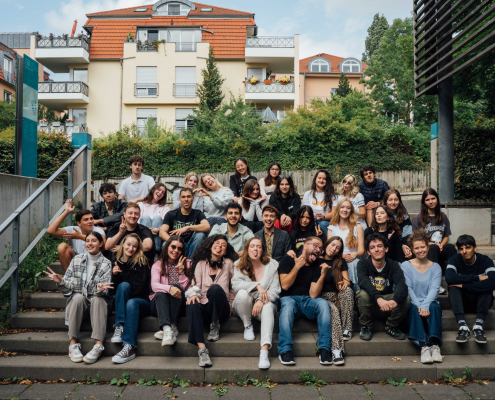 https://eufemia.eu/wp-content/uploads/2025/10/FrancescaTicca-Weimar-05993-scaled.jpg
1707
2560
admin_eufemia_2020
https://eufemia.eu/wp-content/uploads/2021/10/new_concept_logo.png
admin_eufemia_20202025-10-08 15:28:342025-10-08 15:28:34Two Years, Five Exchanges, Countless Voices — Closing the Voices of the Next Generation Project
https://eufemia.eu/wp-content/uploads/2025/10/FrancescaTicca-Weimar-05993-scaled.jpg
1707
2560
admin_eufemia_2020
https://eufemia.eu/wp-content/uploads/2021/10/new_concept_logo.png
admin_eufemia_20202025-10-08 15:28:342025-10-08 15:28:34Two Years, Five Exchanges, Countless Voices — Closing the Voices of the Next Generation Project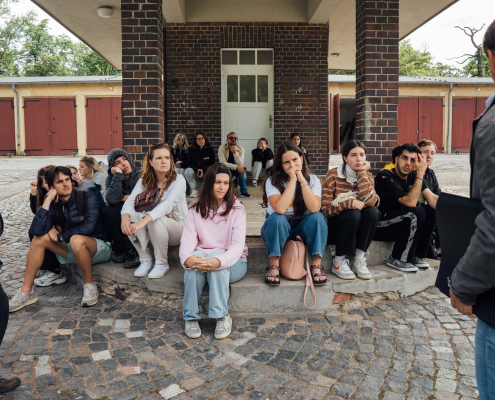 https://eufemia.eu/wp-content/uploads/2025/10/FrancescaTicca-Weimar-05939-scaled.jpg
1707
2560
admin_eufemia_2020
https://eufemia.eu/wp-content/uploads/2021/10/new_concept_logo.png
admin_eufemia_20202025-09-08 14:34:222025-10-08 15:33:10Reflecting on the Final Voices of the Next Generation Youth Exchange in Weimar
https://eufemia.eu/wp-content/uploads/2025/10/FrancescaTicca-Weimar-05939-scaled.jpg
1707
2560
admin_eufemia_2020
https://eufemia.eu/wp-content/uploads/2021/10/new_concept_logo.png
admin_eufemia_20202025-09-08 14:34:222025-10-08 15:33:10Reflecting on the Final Voices of the Next Generation Youth Exchange in Weimar https://eufemia.eu/wp-content/uploads/2021/10/new_concept_logo.png
0
0
Comunicazione
https://eufemia.eu/wp-content/uploads/2021/10/new_concept_logo.png
Comunicazione2025-05-12 11:00:122025-04-29 13:27:04Postcard from ESC: Giulia Gazzera ( Angers, Francia)
https://eufemia.eu/wp-content/uploads/2021/10/new_concept_logo.png
0
0
Comunicazione
https://eufemia.eu/wp-content/uploads/2021/10/new_concept_logo.png
Comunicazione2025-05-12 11:00:122025-04-29 13:27:04Postcard from ESC: Giulia Gazzera ( Angers, Francia) https://eufemia.eu/wp-content/uploads/2025/04/website-photo-03-1.jpg
1333
2000
Comunicazione
https://eufemia.eu/wp-content/uploads/2021/10/new_concept_logo.png
Comunicazione2025-04-28 10:15:182025-04-15 10:29:25Voices of the Next Generation: A Week of Solidarity, Self-Expression & Youth Empowerment
https://eufemia.eu/wp-content/uploads/2025/04/website-photo-03-1.jpg
1333
2000
Comunicazione
https://eufemia.eu/wp-content/uploads/2021/10/new_concept_logo.png
Comunicazione2025-04-28 10:15:182025-04-15 10:29:25Voices of the Next Generation: A Week of Solidarity, Self-Expression & Youth Empowerment https://eufemia.eu/wp-content/uploads/2025/02/tumihaicapito-1.png
844
1500
Comunicazione
https://eufemia.eu/wp-content/uploads/2021/10/new_concept_logo.png
Comunicazione2025-02-07 15:26:532025-02-07 15:29:24Tu mi hai capito? Andare Oltre
https://eufemia.eu/wp-content/uploads/2025/02/tumihaicapito-1.png
844
1500
Comunicazione
https://eufemia.eu/wp-content/uploads/2021/10/new_concept_logo.png
Comunicazione2025-02-07 15:26:532025-02-07 15:29:24Tu mi hai capito? Andare Oltre https://eufemia.eu/wp-content/uploads/2024/12/GFM.jpg
960
1280
Comunicazione
https://eufemia.eu/wp-content/uploads/2021/10/new_concept_logo.png
Comunicazione2024-12-21 11:19:402024-12-21 11:19:40Community Garden in rural Ukraine
https://eufemia.eu/wp-content/uploads/2024/12/GFM.jpg
960
1280
Comunicazione
https://eufemia.eu/wp-content/uploads/2021/10/new_concept_logo.png
Comunicazione2024-12-21 11:19:402024-12-21 11:19:40Community Garden in rural Ukraine https://eufemia.eu/wp-content/uploads/2025/01/Alessia-Mancino.jpg
1066
1600
Comunicazione
https://eufemia.eu/wp-content/uploads/2021/10/new_concept_logo.png
Comunicazione2024-11-29 11:03:192025-01-16 11:06:50LETTERS FROM ESC | Alessia Mancino
https://eufemia.eu/wp-content/uploads/2024/11/Immagine5.png
416
624
Comunicazione
https://eufemia.eu/wp-content/uploads/2021/10/new_concept_logo.png
Comunicazione2024-11-21 17:18:072024-11-29 17:21:46A Sustainable Green Europe in Benicàssim
https://eufemia.eu/wp-content/uploads/2025/01/Alessia-Mancino.jpg
1066
1600
Comunicazione
https://eufemia.eu/wp-content/uploads/2021/10/new_concept_logo.png
Comunicazione2024-11-29 11:03:192025-01-16 11:06:50LETTERS FROM ESC | Alessia Mancino
https://eufemia.eu/wp-content/uploads/2024/11/Immagine5.png
416
624
Comunicazione
https://eufemia.eu/wp-content/uploads/2021/10/new_concept_logo.png
Comunicazione2024-11-21 17:18:072024-11-29 17:21:46A Sustainable Green Europe in Benicàssim

Grazie per aver partecipato a Escape4change!
Con successo abbiamo concluso la nostra partecipazione al Festival Degusté a Grugliasco. Siamo molto felici che tante persone abbiano partecipato a questo evento e sperimentato la nostra Escape Room sulla crisi climatica. Ringraziamo gli organizzatori e tutti coloro che ci hanno accompagnato in questo meraviglioso incontro. Restate sintonizzati, presto lanceremo nuove attività!


Ecco un racconto di tutte le giornate:
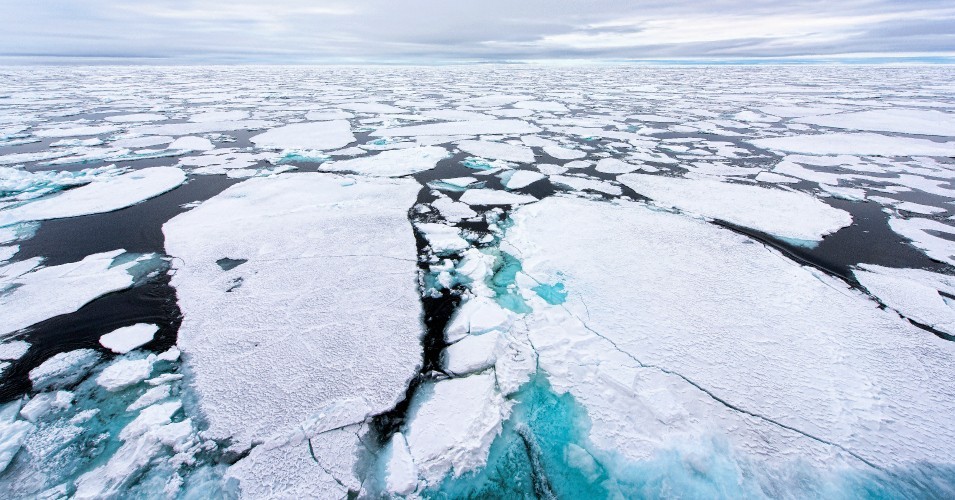
La crisi climatica è già qui
Dati sulla crisi climatica e alcune misure da adottare per affrontarla.
Biossido di carbonio al suo apice
- La concentrazione di anidride carbonica nella nostra atmosfera, al 2018, è la più alta degli ultimi 3 milioni di anni.
- Le emissioni di carbonio derivanti dal consumo di energia stanno aumentando al ritmo più veloce dal 2011.
Gli anni più caldi registrati
- Il 2016 è stato l’anno più caldo mai registrato: le medie globali sono state di 1 grado C più calde della media della metà del XX secolo.
- Diciassette dei 18 anni più caldi si sono verificati dal 2000.
Il livello del mare è in aumento
- Il ghiaccio si sta sciogliendo in tutto il mondo, specialmente ai poli della Terra. Questo include i ghiacciai di montagna, le lastre di ghiaccio che coprono l’Antartide occidentale e la Groenlandia, e il ghiaccio marino artico.
- Questo scioglimento dei ghiacci contribuisce all’innalzamento del livello del mare.
- Il livello globale del mare sta aumentando di 3,2 millimetri all’anno, e negli ultimi anni si sta verificando ad un ritmo più veloce.
- Si prevede che il livello del mare aumenterà tra i 26 e gli 82 centimetri, o anche più in alto, entro la fine del secolo.
- Si prevede che sarà disponibile meno acqua dolce, dato che i ghiacciai immagazzinano circa tre quarti dell’acqua dolce del mondo.
Il tempo è più estremo
- I tassi di precipitazioni (pioggia e neve) sono aumentati in tutto il mondo, in media.
- Gli uragani e altre tempeste stanno diventando più forti.
- Il numero di inondazioni e piogge abbondanti è quadruplicato dal 1980 e raddoppiato dal 2004.
- Tuttavia, alcune regioni stanno vivendo una siccità più grave, aumentando il rischio di incendi, perdita di raccolti e carenza di acqua potabile.
- Questi eventi sono più che raddoppiati negli ultimi 40 anni.
Popolazioni a rischio
- L’11% della popolazione mondiale (800 milioni di persone) è attualmente vulnerabile agli impatti dei cambiamenti climatici.
- Il governo indonesiano sta pianificando di spostare la sua capitale, Giacarta, perché in alcune aree sta affondando fino a 25 cm all’anno.
Le foreste sono minacciate
- Quasi 100.000 chilometri quadrati di foresta vengono distrutti ogni anno, rimuovendo un importante ammortizzatore dagli agenti atmosferici estremi e rilasciando anidride carbonica nell’atmosfera.
- Nel 2018 sono andati persi 120.000 chilometri quadrati di foresta tropicale, l’equivalente di 30 campi da calcio al minuto.
- L’11% di tutte le emissioni globali di gas serra causate dall’uomo sono causate dalla deforestazione, paragonabili alle emissioni di tutte le auto e camion del pianeta.
- In Amazzonia, l’1% delle specie arboree sequestrano il 50% del carbonio della regione.
Estinzione della flora e fauna selvatica
- L’aumento delle temperature sta influenzando la fauna selvatica e i suoi habitat.
- La popolazione selvatica media è scesa del 60% in poco più di 40 anni.
- Gli ecosistemi stanno cambiando drasticamente: alcune specie come le farfalle, le volpi e le piante alpine si stanno spostando più a nord per sopravvivere; altre, come gli orsi polari, non saranno in grado di adattarsi e potrebbero estinguersi.
- Allo stesso tempo, altre specie – tra cui zanzare, zecche, meduse e parassiti delle colture – stanno prosperando.
- Si prevede la diffusione di alcune malattie, come la malaria trasmessa dalle zanzare.
Cosa possiamo fare?
Esigi soluzioni per il clima
Dobbiamo eleggere un governo che intraprenda azioni coraggiose per ridurre le emissioni, prepararsi al cambiamento climatico e costruire un’economia forte, diversificata, equa e pulita.
Una buona pratica è inviare una lettera a tutti i leader di partito e ai candidati alle prossime elezioni, dicendo loro che il vostro voto dipende da un’azione coraggiosa. Puoi anche chiamare o visitare i tuoi candidati, fare volontariato per un’organizzazione che sostieni e che si batte per ridurre gli effetti della crisi climatica.
Inizia una conversazione sul clima
Anche se la maggior parte di noi ritiene che il cambiamento climatico sia una questione cruciale che deve essere affrontata immediatamente, siamo spesso riluttanti a parlarne, anche con amici e familiari. Le conversazioni sui cambiamenti climatici possono suscitare emozioni difficili. Eppure la situazione attuale richiama sempre più urgentemente un’azione collettiva e non possiamo agire in maniera coordinata senza comunicare in modo efficace. È tempo per tutti noi di avere più conversazioni sul clima. Comincia chiedendo ad una persona che ti è vicina cosa ne pensa o se la sua vita è stata colpita da un evento meteorologico inaspettato. Ascolta i pensieri e le storie degli altri, poi condividi i tuoi.
Usa l’energia con saggezza
Considera la possibilità di apportare alcune o tutte queste piccole modifiche. Insieme, possono davvero fare qualcosa in più.
- Sostituisci le lampadine classiche con quelle ad alta efficienza energetica
- Scollega computer, TV e altri dispositivi elettronici quando non li usi
- Lava i vestiti in acqua fredda o tiepida
- Cerca l’etichetta Energy Star quando acquisti nuovi elettrodomestici e compra quelli a basso consumo
- Coibenta la tua casa per evitare la fuoriuscita di calore e cerca di mantenerla fresca in estate senza condizionatore d’aria
Mangia per un pianeta con stabilità climatica
Le decisioni che prendiamo sul cibo possono avere un profondo impatto sull’ambiente. Qui ci sono quattro semplici modi per rendere la nostra dieta più rispettosa del clima.
- Mangia meno carne, o abolirla gradualmente
- Acquista biologico e locale
- Non sprecare il cibo
- Coltiva i tuoi propri alimenti
Rendi verde il tuo tragitto
I numerosi modi per ridurre le emissioni dei trasporti ti renderanno anche più sano, più felice e ti faranno risparmiare qualche euro. Quando e dove è possibile:
- Prendi i mezzi pubblici
- Vai in bicicletta e sostieni la realizzazione di piste ciclabili nella tua comunità
- Condividi l’auto
- Passa ad un veicolo elettrico o ibrido
- Vola meno (se voli, assicurati di compensare le emissioni)
Consuma meno, spreca meno, goditi la vita
Concentrarsi sui piaceri semplici della vita – passare il tempo nella natura, stare con i propri cari, fare la differenza per gli altri – fornisce più scopo, appartenenza e felicità che comprare e consumare. Condivisione, produzione, riparazione, upcycling, riconversione e compostaggio sono tutti buoni punti di partenza. Accendi il tuo impegno nei confronti delle persone e dei luoghi che ami agendo ogni giorno con la consapevolezza che siamo tutt’uno con la natura.
Attivati politicamente
Vota per i leader a tutti i livelli di governo che prendono sul serio il cambiamento climatico. Dovrebbero impegnarsi a fissare obiettivi scientifici per ridurre le emissioni nocive di carbonio, attuare piani chiari per raggiungere tali obiettivi, adattarsi ai cambiamenti climatici e passare a un’economia energetica pulita. Le posizioni dei candidati sui cambiamenti climatici variano notevolmente, quindi fai ricerche, poni domande sui cambiamenti climatici nei municipi o nei dibattiti e fai sapere ai tuoi candidati che voti per il clima. Sii cosciente che il tuo voto è davvero importante.
Referenze:

Our 4 volunteers captured their On Arrival Training in Roma
Our long-term volunteers were at their “On Arrival Training” in Roma!
We are more than happy to share their stories with you:
Ruta: “You don’t want to miss it”, they said… “It’s one of the best parts of the volunteering”, they said… and they were right!
One week flew by like 2 days, emotions were just good ones, 30 people from 17 countries – all volunteers and new friends that we met in our “On Arrival Training” (OAT).
It’s not an easy decision to go to live abroad, especially for a long term. OAT is a tool, that helps to understand what are your duties, your rights, while doing volunteering, opens your mind to see what’s the purpose to participate in such a projects as European Solidarity Corps (ESC) and what you can get out of it.
After OAT I indeed had a feeling that a whole new room opened up in front of me – new space. And I carry it all the time with me, but it’s not heavy.

OAT is one of the things that, in my opinion, is difficult to describe and you should be there, to understand, but I will try – imagine 30 volunteers. Some of them are from the same country (like approx. 10 people from Spain, I even met one girl from my country-Latvia), but in general – 30 different people, from different countries, with different experiences and background. There is just one thing that brought us together – we all are volunteers in Italy. Our trainers not only managed to “drop our shields down”, but also made us all like one big team. And for that a big thank you! We did A LOT of workshops in different groups. At the end there wasn’t a volunteer with whom I didn’t work with at least once. We made podcasts, short movies, using various activities we opened our creativity.

OAT activities proved brilliantly that you can look at everything from a different perspective, that everyone sees, hears, perceives differently. And what’s in your country completely normal and obvious is not in others. Why? -Because it’s just not.
I’m thankful for this experience and suggest to all the volunteers to take the chance to participate in an OAT. 😊

Jenny: My On-Arrival-Training experience in Roma 2019
On an early Friday morning we left our beautiful Torino for Roma. It took us about 5 hours by train and there we were in the capital of the country we chose to spend the next year in. We arrived at the Scout – Center met our new roomates for the coming week and had lunch together. The first afternoon was all about getting to know other volunteers who are living across Italy. My first impression of the entire group was very good and luckily it stayed like this until the end of the training.

Our days looked basically every day the same: breakfast, morning session, lunch, afternoon session, dinner and evening session. The sessions in most of the days were about our personal EVS/ESC journeys. What did we expect and how in the end is the reality, was the big question here!
What have we experienced?
How would we handle the situation?
How can we help each other?
What is our advice for each other?
For me it was also really interesting to get to know other volunteers their good and bad experiences and I realized that I was more than lucky and made the right choice to come to Torino and support Eufemia! Thank you for being a great Team!

Between all this “serious” talks we also had a lot of fun playing different games to understand how we, the volunteering project or even our world works. In a non – formal way of education our trainers put our attention towards our rights and duties in this whole program, the youthpass and conflict management. Learning and thinking from and about all these activities made us realize even more why we are doing volunteering and what we are here for.
To sum it all up I want to quote one of our trainers: “And you are giving an impact and as many of you said, you do not even know when this impact will come back or in which form. But you are giving and I think this is the concept … It is the main concept on how we want to set our life: GIVING!
Over the week I have met some really incredible people who follow this concept by heart. They are here to give, but not material things. They give something way more important than that, TIME.
“The greatest gift you can give someone is your TIME. Because when you give your time, you are giving a portion of your life that you will never get back.”
And that is what we all do. We give our time to all the beautiful projects we have choosen to support during this service in an for us foreign country. This OAT made me realize the chance I have been giving to make a big change in my life and bit smaller one in this world, especially in Europe.

Irene: THE MEANING OF VOLUNTEERING – OAT ROMA 2019
What is the meaning of volunteering? This is something that we learnt in our ON ARRIVAL TRAINING.
These kind of trainings are a must for a volunteer because of so many reasons and I think every single person should have the opportunity to enjoy them. After being in Italy for 3 months we were able to join the OAT, in the country where we are doing our European project and since the first moment we felt a very good atmosphere. The trainers were super kind with us, but also the other volunteers were important during that time.
We started the week getting to know each other and the projects that each of us is developing in here. It was interesting to hear others and to get to know a bit more about their experiences and at the same time, share with them ours. We are all doing different jobs, but all of them have something in common which is helping others and giving our best, at the same time we are also getting something back. I mean, GIVE & RECEIVE.

We got information about our rights and duties, about our insurance, about our mentors and everything that is around us during our volunteering periode. The training was also based on social media so we also improved our skills in video editing and podcasting, something that is more than important nowadays, in the 21st century.
All the activities were funny but educational, and they were also useful to get close to others and to get a good friendship with people from all around Europe. At the end we spent a week together, so we had the chance to be open minded and to meet people who can share with you different values and can teach you also about their origins and traditions.

We also got some tips about how to handle different situations. This experience has all kind of moments and we should be strong enough to manage our emotions and to give the best from ourselves.
We were busy all the time because we had activities during the mornings, afternoons and evenings but it was good because we were enjoying all the time.
We also had time to learn about the culture of this country, and of course we visited the wonderful city of Roma, where we were spending a whole day doing sightseeing and seeing wonderful and historical places like the Coliseum, the Vatican, Fontana di Trevi, Foro Romano, Pantheon, etc.
Something also quite interesting is that we spent the week with two deaf guys who are doing also a volunteering, so we even learnt some sign language and we were aware about how is their daily life, so we included them in all the activities and also made them feel comfortable with us.
Definitively, it was an amazing week and I am looking forward to meet again these wonderful people and to have the next training, the mid term one.

Ana: “Growing up as a person has never been so easy”
When our mentor told us that in a month we should go to the OAT in Rome, I realized that I felt fear; fear of not knowing how to communicate in a language other than mine, fear of not knowing how to relate to people from cultures totally different from mine … fear in general. The day we stepped in the Scout-Center for the first time, the barrier of fear was destroyed and I began to enjoy every second of this wonderful experience.

30 people – 17 different nationalities:
Meeting people from so many different cultures has helped me to open my mind even more and grow as a person. Many of the activities carried out during the week were focused on getting to know each other, which turned out to be one of the most interesting things. This gave me the opportunity to get to know the curiosities of each culture.
All new things are usually a challenge, also for me. I promised myself, before I arrived in Rome, to learn from each activity, person, emotion and culture; today I am sure I got it.

A lot of volunteers joined this week in Rome and together we created what is now a small family; different family and with many peculiarities, but with a common goal: to help others as we would like them to help us in their situation.
An experience where fear has no place and where knowledge is the basis of everything. An experience that has made me value, even more, my volunteering in Torino with our Eufemia Association.


Speaker’s Corner
Lo strumento è il risultato di un progetto di partenariato strategico KA2 finanziato dal programma Erasmus+ presso l’Agenzia Nazionale croata, realizzato e sviluppato da partner di 8 paesi, a partire dalle specificità territoriali. L’idea nasce dall’esperienza inglese dello Speaker’s Corner di Hyde Park, riletta in chiave educativa e con un percorso di preparazione e di rilettura dell’esperienza in chiave emotiva. L’associazione Eufemia è partner del progetto e responsabile della sperimentazione e della promozione in Italia, della produzione dei materiali in lingua italiana e della loro diffusione sul territorio nazionale.
Speaker’s Corner è un esercizio socio-pedagogico che ha l’obiettivo di incoraggiare l’ascolto attivo, l’inclusione sociale e la partecipazione democratica. Utilizzando i metodi dell’educazione non formale si punta a sviluppare una discussione aperta tra i partecipanti, in un contesto protetto di simulazione che permetta di poter generare una riflessione sulle azioni future.
Prende spunto da:
– gioco di ruolo/simulazione
– apprendimento esperienziale
– analisi e riflessione guidata
 Sul portale TOOLBOX si possono trovare tutte le informazioni e il manuale.
L’esercizio, nelle sue versioni, può essere adattato in funzione del gruppo target e degli obiettivi educativi specifici.
I destinatari della versione “tradizionale” dell’attività sono giovani e adulti dagli 8 anni in su (dai 10 ai 60 partecipanti). La versione “dibattito” è più indicata per giovani e adulti dai 13 anni in su (dai 7 ai 26 partecipanti)
Speaker’s Corner è disponibile presso la sede di Eufemia e i nostri educatori sono disponibili per facilitare lo strumento con diversi gruppi, adattandolo a seconda dei temi da trattare, degli obiettivi e delle esigenze espresse.
Questa è la pagina FB dedicata al progetto.


Sostienici con il tuo 5×1000
Sostenete i nostri progetti di sviluppo di comunità, educativi e internazionali: donate il 5×1000 alla nostra associazione.
Con il vostro supporto contribuirete a garantire:
– l’apertura GRATUITA del “Laboratorio di incontri”, un punto di ritrovo rivolto ai minori in cui si svolgono attività aggregative, un servizio di doposcuola, laboratori ludico-creativi, azioni finalizzate al supporto e all’inclusione scolastica e al sostegno delle fasce deboli;
– l’apertura GRATUITA dello sportello Infopoint Erasmus+, rivolto a coloro che vogliono fare un’esperienza di mobilità internazionale nell’ambito del programma europeo Erasmus+. Il fine è quello di promuovere e incentivare, fra i giovani, pratiche di cittadinanza attiva e partecipazione e sostenere la riflessione sulla cittadinanza europea;
– l’ampliamento del progetto “Pane (in) Comune – dalla pratica dell’invenduto nei mercati rionali all’etica del cibo-bene comune“. Un progetto di sostegno alle fasce deboli, di lotta contro gli sprechi alimentari e di sviluppo di comunità che prevede la raccolta/redistribuzione dell’invenduto dei mercati rionali con la partecipazione attiva delle famiglie beneficiarie.

